07.16.25
FAQs About Varicose Veins and Vein Ablation in Benton County
When Arkansas summers come around, we all know what that means: extreme heat. During these 90 to 100 degree days, many people choose to wear shorts and sit by the lake. Unfortunately, if you have varicose veins—bulging, enlarged veins on your legs—you might feel less excited to pull out your favorite shorts or swimsuits.
But even in the biting-cold winter months or the pleasant spring and fall, varicose veins can still take a toll. They might get easier to conceal with your clothing, but you can’t mask the pain that comes with them. Most people notice aching, heavy, and itching sensations around the veins.
At Ozark Regional Vein & Artery Center, we understand the cosmetic and functional benefits of vein ablation. Our minimally invasive or non-invasive treatments help you achieve smoother, healthier legs and relieve the discomfort associated with varicose veins.
We understand that you may have questions about varicose veins, our vein center, and your vein treatment options. In this article, we answer those questions and share more details about vein ablation in Benton County.
Questions About Varicose Veins
You may know them when you see them: purple and blue bulging veins that appear on your legs. However, what do you actually know about varicose veins?
What are varicose veins?
Let’s start with the basics: Varicose veins are swollen blood vessels, often appearing under the skin on the legs, feet, and ankles. Swelling, itching, restless legs, heaviness, and pain may accompany the physical signs of varicose veins.
What is the main cause of varicose veins?
Simply put, weakened or damaged vein walls can stretch and allow blood to pool, resulting in the noticeable purple or blue bulges of varicose veins on the legs.
But what causes these weakened veins? A few things, including:
- Genetics – Your family history of varicose veins.
- Aging – As we age, normal wear-and-tear causes our veins to stretch, weaken, and stiffen.
- Hormones – Estrogen gives veins the ability to stretch. Women experiencing pregnancy or menopause may develop varicose veins as estrogen levels fluctuate or decrease.
- Lifestyle – Lack of physical activity, poor nutrition, and tobacco use contribute to the formation of varicose veins.
- Obesity – Excess weight adds more pressure on your veins.
When should I worry about varicose veins?
You may wonder if vein ablation in Benton County is even necessary. You might not always feel the heaviness and itching that comes with varicose veins. In that case, if the looks of them don’t bother you, should you really worry about them?
Our experts would say “yes”—and not only because endovenous ablation is usually a quick and straightforward process. Even if your veins aren’t causing you problems in the present, complications could arise in the future. In some cases, varicose veins may indicate something more serious, like chronic venous insufficiency.
What’s the difference between varicose and spider veins?
Spider veins are smaller than varicose veins and appear in a red, purple, or blue cobweb pattern.

Often, they appear alongside varicose veins on your legs, further contributing to aesthetic concerns. Spider veins, unlike varicose veins, do not come with any uncomfortable symptoms, and they cause no harm to your circulatory system.
At ORVAC, we offer spider vein treatments like Sclerotherapy injections and Excel V laser to improve the appearance of these veins.
Questions About Vein Ablation
Vein ablation sounds serious, and maybe even quite scary—especially if you’ve only heard of antiquated methods like vein stripping, an invasive treatment that requires a lengthy recovery. At ORVAC, we only use cutting-edge technology that prioritizes your safety and comfort.
What is vein ablation?
Vein ablation in Benton County refers to the process of collapsing weakened or damaged veins. This may sound odd. After all, don’t you need that vein?
Actually, this process works effectively because you don’t. Damaged veins no longer function properly, so when we eliminate or collapse it, your body redirects blood flow to a healthier vein instead.
What are my options for vein ablation?
If we don’t use outdated and painful methods like vein stripping, then how do we treat varicose veins? We employ a few different technologies and methods that work just as effectively, while keeping you far more comfortable.
Laser Ablations:
- ClosureFast – For this popular treatment, we start by making an incision and inserting the ClosureFast catheter into the problematic vein. Then, it emits radiofrequency (RF) energy to permanently collapse the vein.
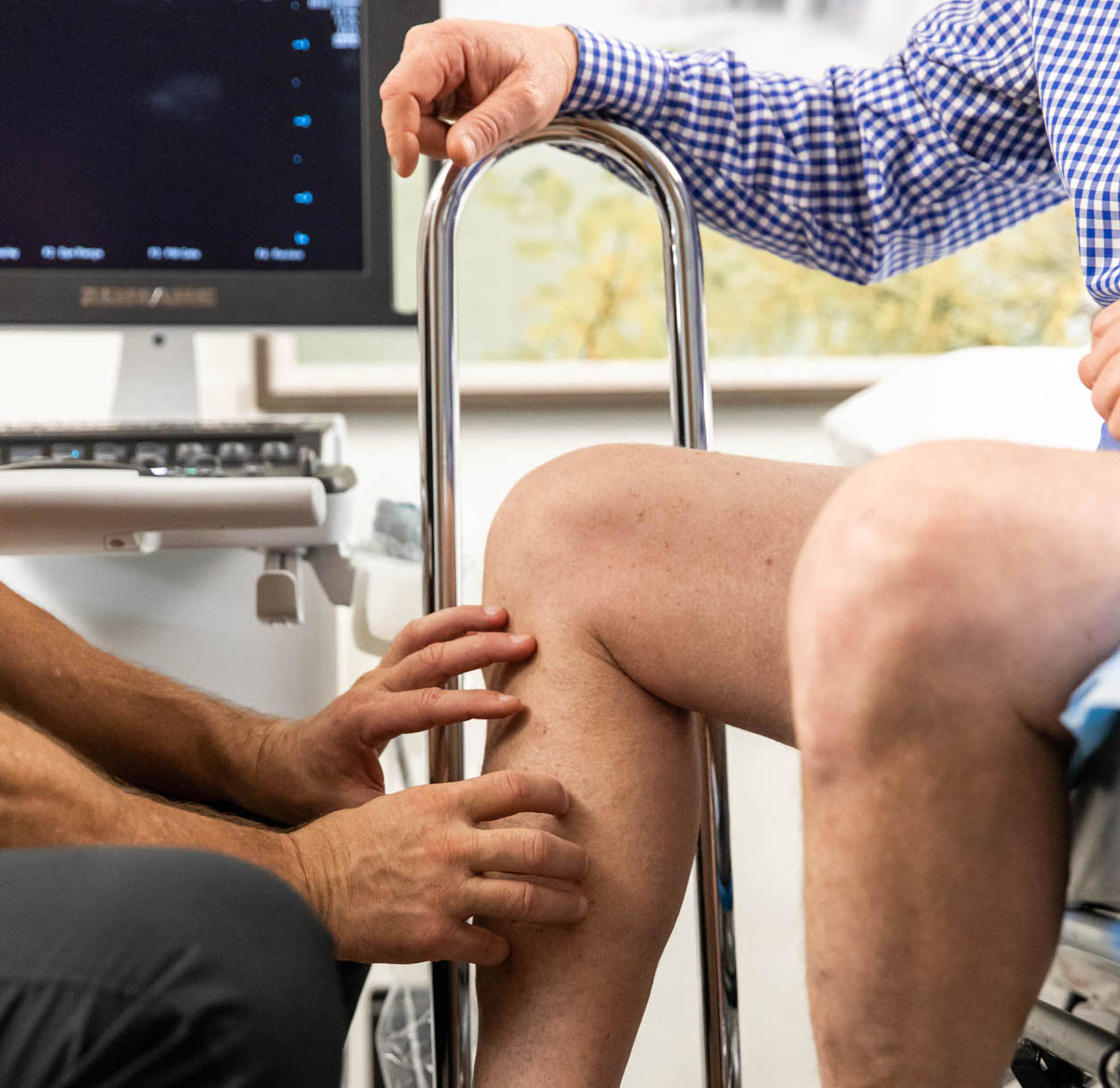
- VenaCure EVLT – We collapse veins using a laser light fiber that we thread up through the targeted vein. Using ultrasound technology, your doctor confirms the thread to be in place and slowly heats the treated segment.
Injections:
- Varithena – This simple and effective treatment painlessly breaks down the damaged vein wall using specialized foam.
- VenaSeal – This treatment for vein ablation in Benton County uses a medical-grade adhesive that we insert using a tiny catheter. Once in place, small drops of VenaSeal compress and close off the damaged vein.
- Sclerotherapy – These injections contain either Asclera or Sotradecol, both irritating substances that make your blood vessels expand, stick together, and form scars, effectively closing them off. This treatment works well for both spider veins and varicose veins.
How painful is leg vein ablation?
RF energy, heat, lasers, injections, incisions—it all sounds so painful. Fortunately, it’s not! For most treatments, we administer numbing and local anesthesia so you won’t feel any pain. However, if you’re still worried about discomfort, talk to your doctor about pre-procedure sedation. You can also purchase Pro-Nox (nitrous oxide) to ease your anxieties.
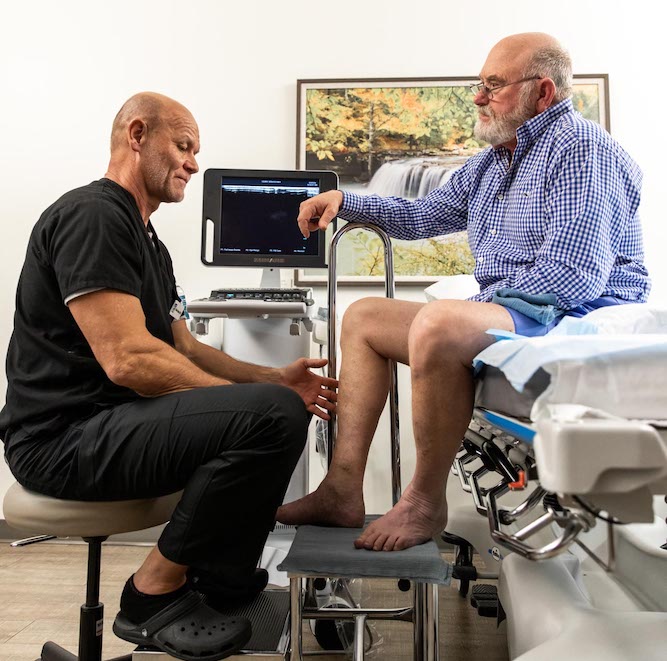
For treatments like Varithena, you shouldn’t feel any pain at all! Of course, if you do, please tell your provider.
How long does each treatment take?
The duration of your vein ablation appointment depends on the treatment we decide works best for you. The options listed above may require at least 1 hour in office. However, these are outpatient procedures, so you can return home after we effectively collapse the vein.
How long does it take to recover from vein ablation?
In Benton County, this treatment requires minimal recovery time. We encourage you to walk at least 30 minutes a day and keep your blood flowing. Although these procedures cause some soreness and bruising, we provide you with advice on how to manage those symptoms when they arise.
For the first 24 hours, you also wear compression hose to improve circulation. While these may feel uncomfortable, they shouldn’t be painful or too irritating.
Are results permanent?
Our treatments permanently close off your existing damaged veins. However, they do not prevent new varicose veins from forming. That’s why we recommend prioritizing an active, healthy lifestyle to maintain your results.
The way we see it: You’ve already started walking during recovery, so why stop? This new, active lifestyle encourages regular blood flow and improves circulation, among many other health benefits. So we encourage you to keep up the 30 minutes of walking a day, and even gradually upgrade your routine to jogging, running, or other aerobic activities like cycling or swimming.
Questions About Ozark Regional Vein & Artery Center
Now that you understand the basics about varicose veins and vein ablation, let’s discuss what sets our vascular center apart from others and why you should trust our team.
Why should you come to Ozark Regional Vein & Artery Center?
Since 2005, Ozark Vein & Artery Center has been a top destination for venous treatment in the greater Northwest Arkansas region. Our team achieves this through integrity, continued education, and combined experience of over 75 years in the industry. We offer the latest treatments to provide each patient with quality care, and we build a relationship with everyone who walks through our doors.
How can I pay for my treatment?
We understand that affordability may prevent you from seeking treatment. That’s why we accept most insurance providers for your vein ablation in Benton County. You can call our office to confirm that we accept your insurance provider.
If you don’t have insurance, we also offer financing options through Care Credit and Compassionate Finance. You can apply in-office or over the phone with low monthly payment options. We try to make this process as streamlined as possible, so you can receive the quality care that you deserve.
Where can I receive treatment for my varicose veins?
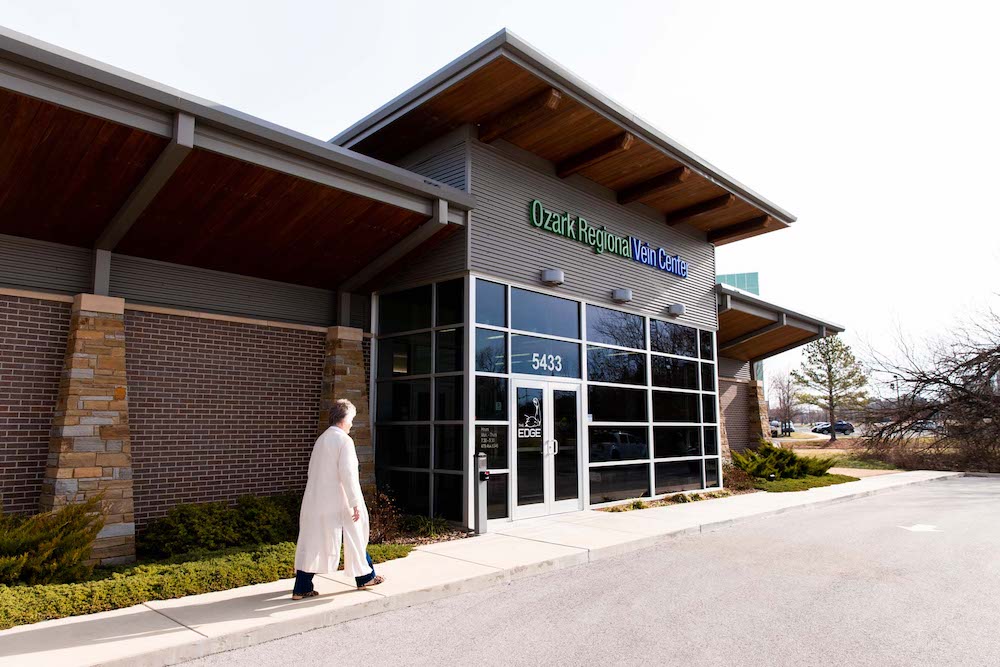
You can find our primary facility in Rogers and another office in Berryville, AR, to accommodate the growing need for vascular care. The Berryville location doesn’t offer all the same services as our flagship center in Rogers, but you can start the process there to determine if vein ablation is right for you.
Is a consultation necessary?
Yes, everyone seeking vein treatment should start with a consultation! Even if you know that you have varicose veins and you want treatment, our specialists meet with you before performing any care.
Varicose veins can indicate an underlying disorder or lead to health problems like blood clots. It’s best to see an expert in vascular care to determine whether you need additional treatment. We can also use this opportunity to determine which options will work best for you depending on the severity of your varicose veins, lifestyle, and preferences.
Have More Questions? Ask Our Team!
We’ve answered a lot of questions regarding vein ablation in Benton County, but we didn’t cover all of them! We can’t answer them until you ask them, so contact us directly to learn more. You can call our office at 479-777-8914, or you can schedule a consultation online.
Alternatively, you can try our treatment planning tool. Once we receive your submission, a member of our team will reach out with available appointment times and potential treatment options.