
Plantar Fasciitis Embolization in Rogers, AR
Plantar Fasciitis Embolization
Plantar Fasciitis Heel Pain Treatment at Ozark Regional Vein & Artery Center
Tired of Heel Pain That Steals Your First Steps Every Morning?
If you've ever winced getting out of bed because of a sharp, stabbing pain in your heel, you already know what plantar fasciitis feels like. For most people, rest, stretching, orthotics, and physical therapy eventually calm the pain down. But for a stubborn subset of patients, none of that works. The pain lingers for months or even years, limiting how far you can walk, how long you can stand, and how active you can be with your family. At Ozark Regional Vein & Artery Center in Rogers, Arkansas, we treat this exact problem with a groundbreaking, minimally invasive procedure: Plantar Fasciitis Embolization. It's a same-day treatment designed for patients whose chronic heel pain hasn't responded to conservative care, and who want to avoid the downtime and risks of open foot surgery.
What Is Plantar Fasciitis, Really?
The plantar fascia is a thick band of tissue that runs along the bottom of your foot, connecting your heel bone to your toes. It acts like a shock absorber and supports your foot’s arch every time you take a step. When that tissue becomes irritated, micro-torn, or inflamed from repetitive stress, the result is plantar fasciitis — one of the most common causes of heel pain in adults.
Common symptoms include:
- Stabbing or burning pain at the bottom of the heel
- Pain that’s worst with the first steps in the morning or after sitting
- Pain that eases with movement, then returns after standing for long periods
- Stiffness or tenderness along the arch of the foot
- Discomfort that worsens after exercise, not during it
Runners, teachers, nurses, factory workers, and anyone who spends long hours on their feet are especially prone to developing this condition. Left untreated, chronic plantar fasciitis can quietly reshape how you walk, leading to compensatory pain in the knees, hips, and lower back.
Why Does Plantar Fasciitis Become Chronic?
Research increasingly points to an overlooked driver of long-term heel pain: abnormal blood vessel growth. When the plantar fascia is repeatedly irritated, the body attempts to heal itself by growing new, fragile blood vessels into the damaged tissue — a process called neovascularization. Unfortunately, these new vessels often carry inflammatory signals and tiny nerve fibers directly into the area, which can actually intensify pain rather than resolve it. This is a major reason why some patients don’t improve with rest, injections, or physical therapy alone. The underlying issue isn’t just mechanical, it’s vascular.
Plantar Fasciitis Embolization in Rogers, AR: A New, Minimally Invasive Option
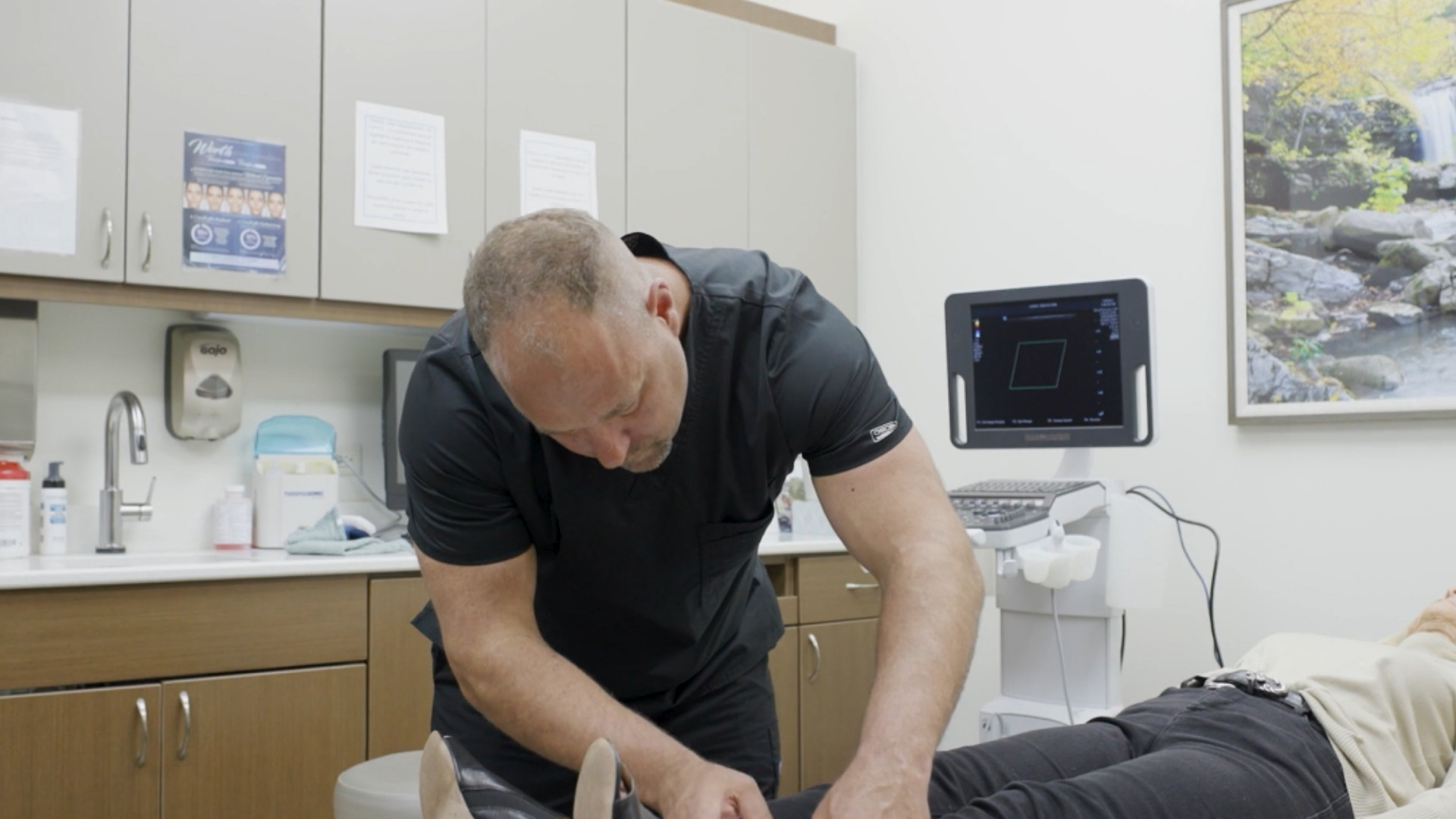
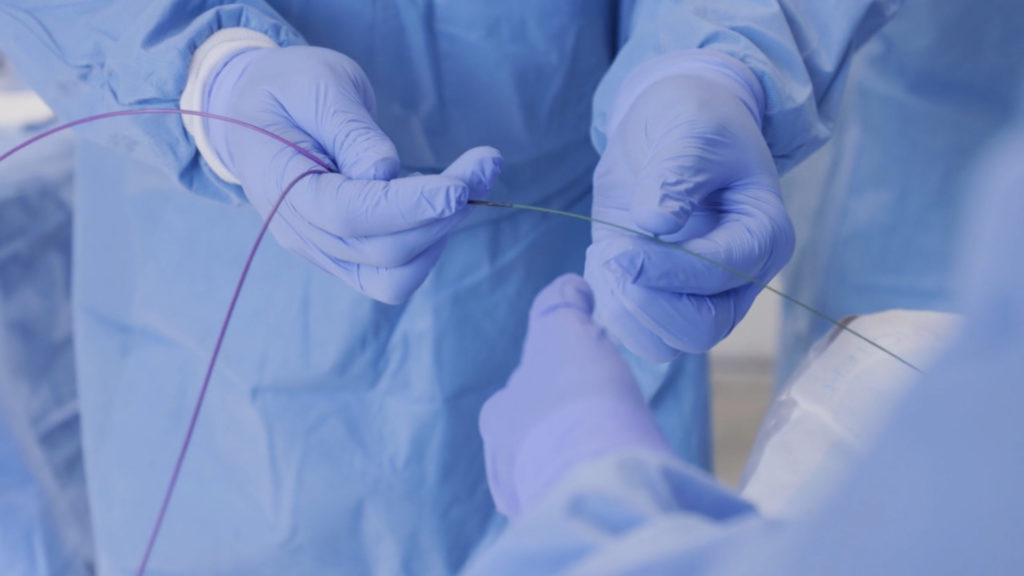
This is where Plantar Fasciitis Embolization (PFE) in Rogers, AR, at Ozark Regional Vein & Artery Center comes in. Rather than cutting into the foot or relying solely on anti-inflammatory injections, our vascular specialists use advanced imaging to target the source of the problem directly at the blood vessel level.
/05
Location
5433 W. Walsh Lane, Suite A Rogers, Arkansas 72758Off exit 83 from I-49 in Pinnacle Point.
Hours
- Monday - Thursday7:30 am - 5:30 pm
- Friday7:30 am - 5:00 pm
Phone
479.777.8014Fax
479.464.9046Ozark Regional Vein & Artery Center
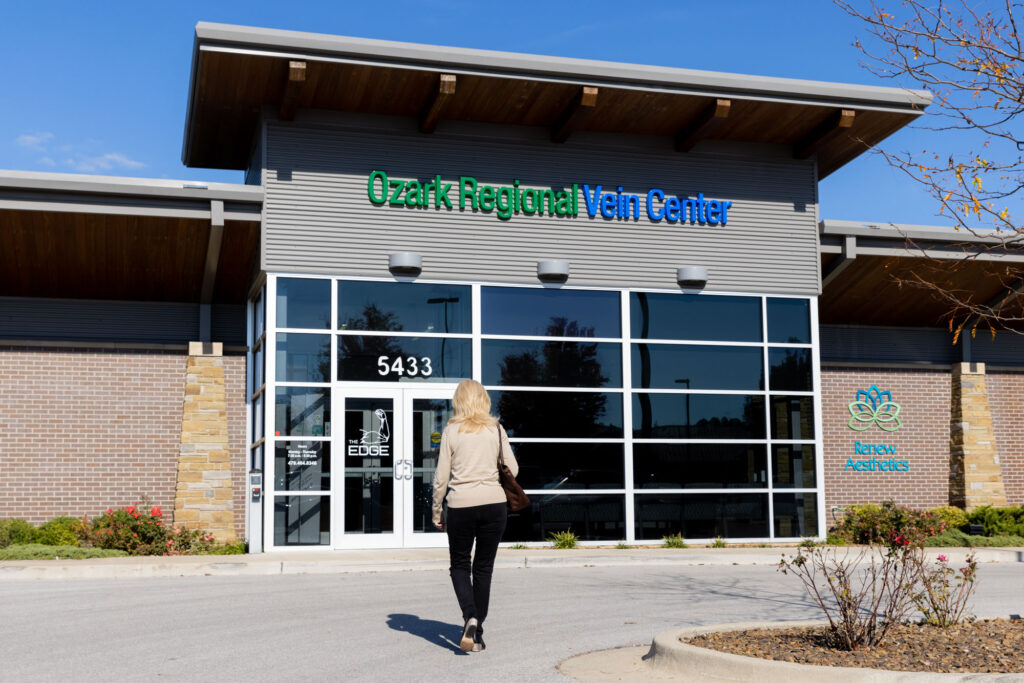
Located at 5433 W. Walsh Lane, in Rogers, Arkansas, Ozark Regional Vein & Artery Center has spent over a decade serving Northwest Arkansas, including Rogers, Bentonville, and Springdale, with advanced vascular care in a comfortable, patient-first setting. Our board-certified vascular and endovascular specialists bring the same precision and minimally invasive philosophy used in our embolization therapies for other vascular conditions to the treatment of chronic plantar fasciitis.
When you visit us for a heel pain consultation, you can expect:
- A dedicated one-on-one evaluation of your symptoms and history
- A clear explanation of whether embolization, or another treatment path, fits your case
- A comfortable, modern office-based lab — not a sterile hospital environment
- A team that takes time to answer your questions before you ever schedule a procedure
Stop Letting Heel Pain Dictate Your Day
You don’t have to keep managing your life around your feet. If chronic plantar fasciitis has become the thing standing between you and your morning walk, your workout, or simply standing at your job without pain, it’s time to talk to a specialist who treats the cause — not just the symptom.
Schedule your consultation with Ozark Regional Vein & Artery Center in Rogers, AR today and find out if Plantar Fasciitis Embolization is the breakthrough your feet have been waiting for. Interested in other services we offer? Check out our YouTube Channel for videos from our Doctors, Nurse Practitioners, PAs, and other staff for more information.
📍 5433 W. Walsh Lane, Suite A, Rogers, AR 72758 📞 (479) 777-8014